
Mesa Epoxy Experts
Polyurea Floor Coatings in Mesa, AZ
Polyurea floor coatings in Mesa, AZ. Fast-set, flexible systems built for slab movement and heat, free estimates.
- 15+ Years local experience
- 500+ Projects completed
- Licensed & Insured
Serving Mesa and nearby communities.
A slab that's been through fifteen Mesa summers doesn't sit still. It expands in July heat and contracts in January, and a rigid coating fights that movement until it cracks or lifts at the edges. Polyurea flexes with the concrete instead of fighting it, which is why Mesa Epoxy Experts specs it for garages, shops, and patios where the slab has a history of hairline cracking or settling.
Polyurea also sets up fast, often within a few hours rather than days, which matters when a garage or workshop can't sit empty for a week. For Mesa homeowners dealing with older, uneven slabs or tight scheduling windows, it's often the better call over a standard epoxy system.
What's included
What's Included with Polyurea Floor Coatings
Typically included: slab inspection, mechanical grinding, joint and crack sealing, spray-applied polyurea base layer, standard topcoat.
Optional: reinforcement layer in high-wear zones, decorative flake or color broadcast, upgraded impact-resistant topcoat.
Customer prep: clear the space of vehicles, tools, and stored items before the crew arrives; arrange pet and foot traffic around the cure window.
Want a clearer scope?
Get a Free EstimateHow it works
How Our Polyurea Floor Coatings Process Works
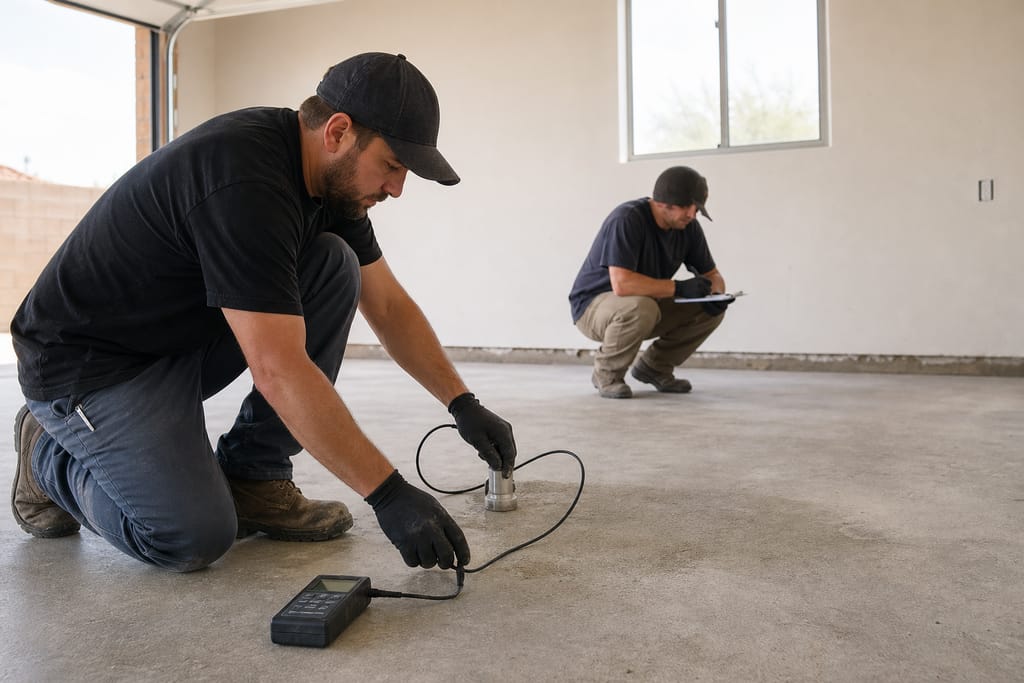 Step 1
Substrate Assessment
The concrete is tested for moisture and strength before coating application.
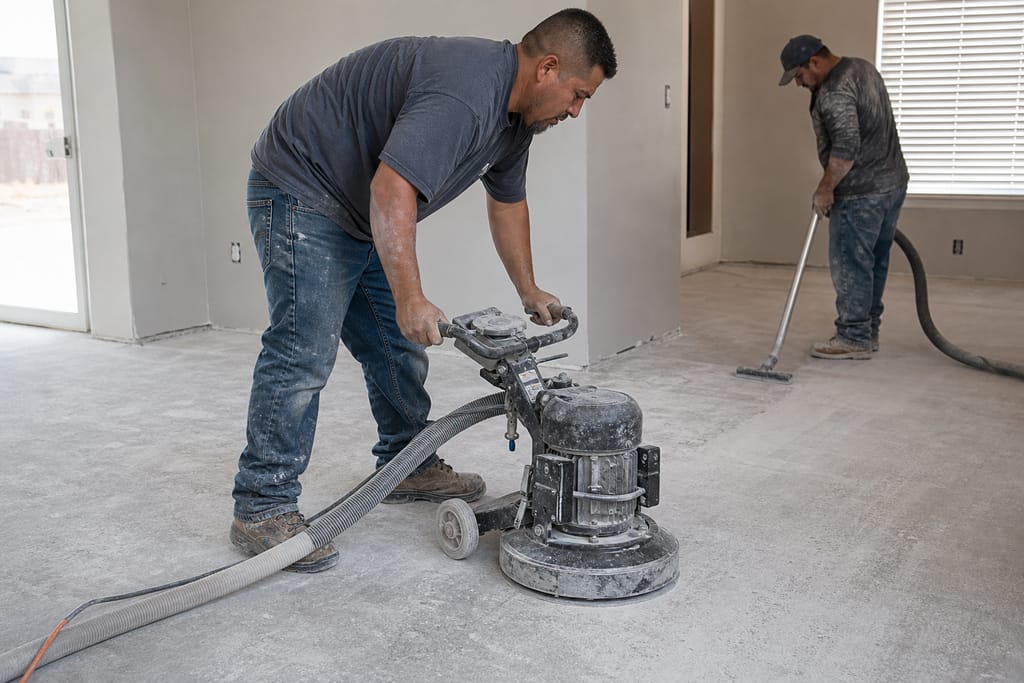 Step 2
Surface Grinding
Mechanical grinding prepares the surface profile for strong material bonding.
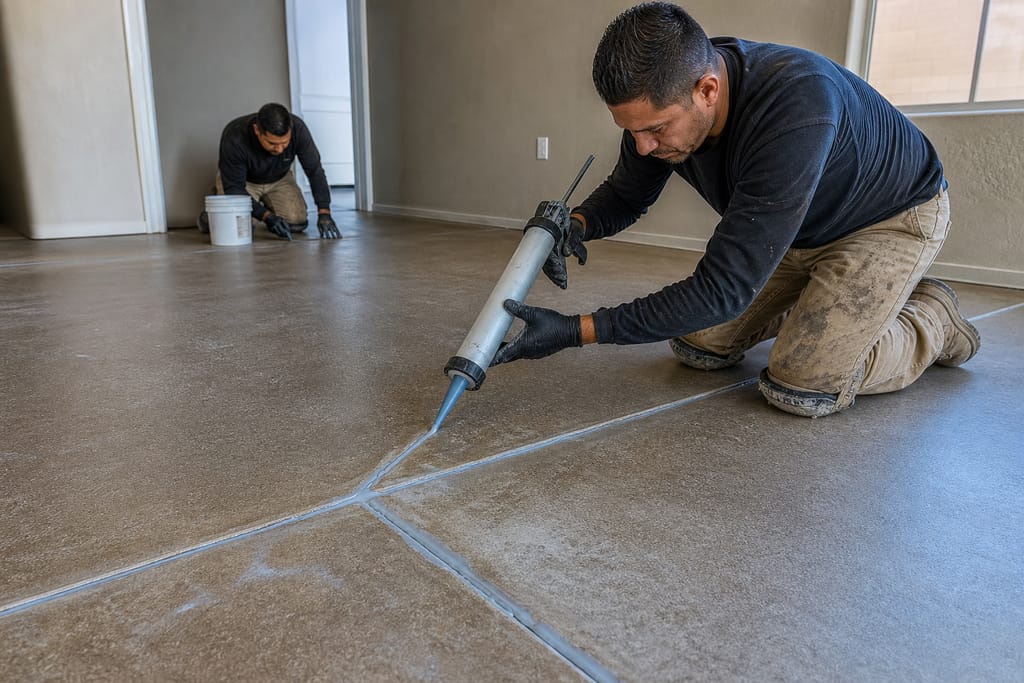 Step 3
Joint & Crack Sealing
Expansion joints and cracks are sealed to prevent coating failure over time.
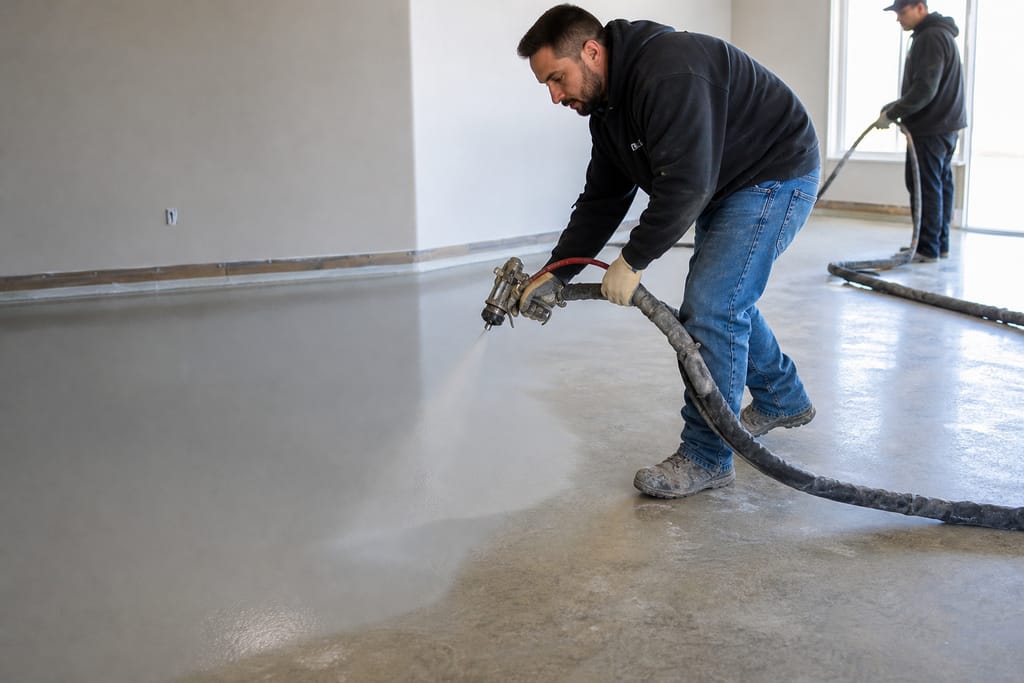 Step 4
Spray-Applied Base Layer
A sprayed polyurea base layer is applied for rapid, even coverage.
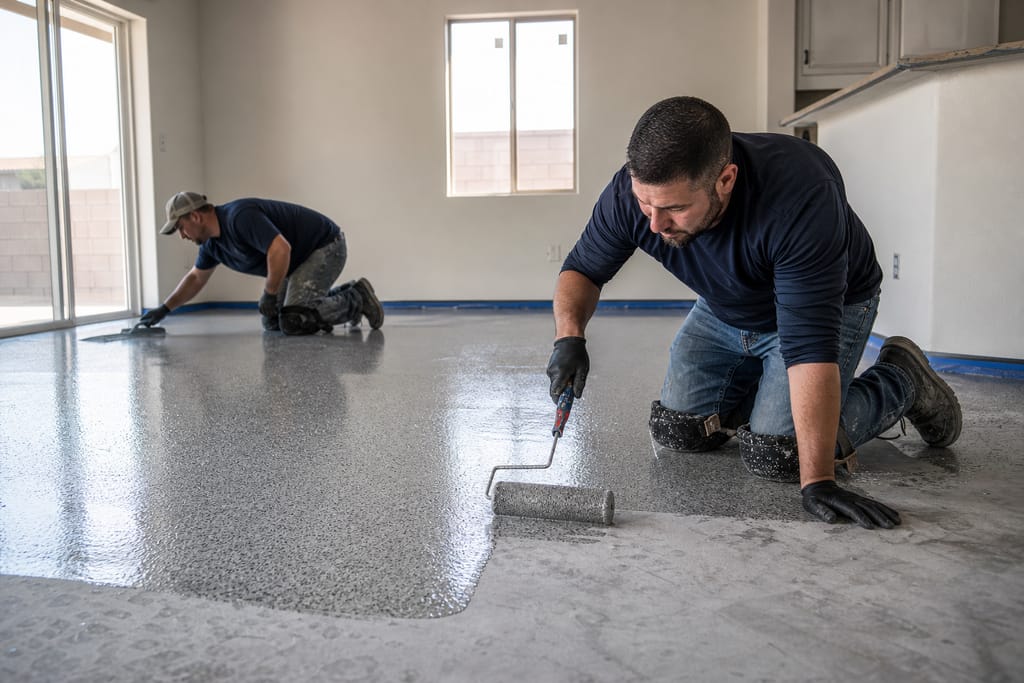 Step 5
Reinforcement Layer
An additional layer is added in high-traffic zones for extra durability.
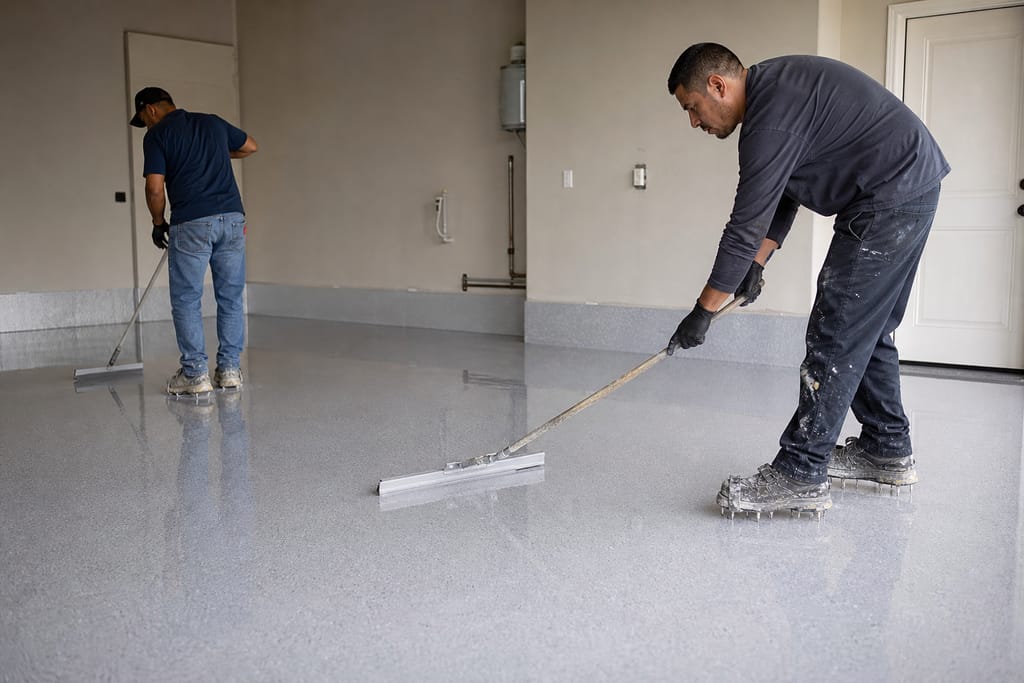 Step 6
Fast Final Cure
The coating cures within a short window, minimizing facility downtime.
Materials
Materials and Methods for Polyurea Floor Coatings
Polyurea chemistry handles Mesa's wide temperature swings better than rigid systems, and the options below cover most garage, patio, and shop scenarios.
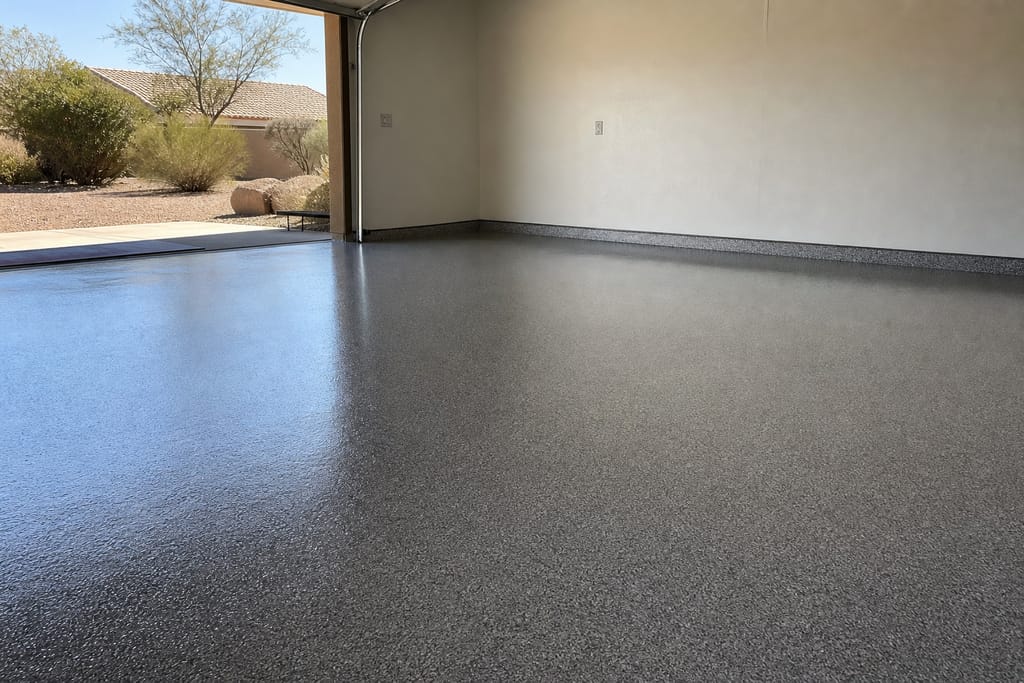
Pure Polyurea Coating
A flexible, fast-curing coating resists abrasion and the expansion-contraction cycle common on older Mesa slabs.
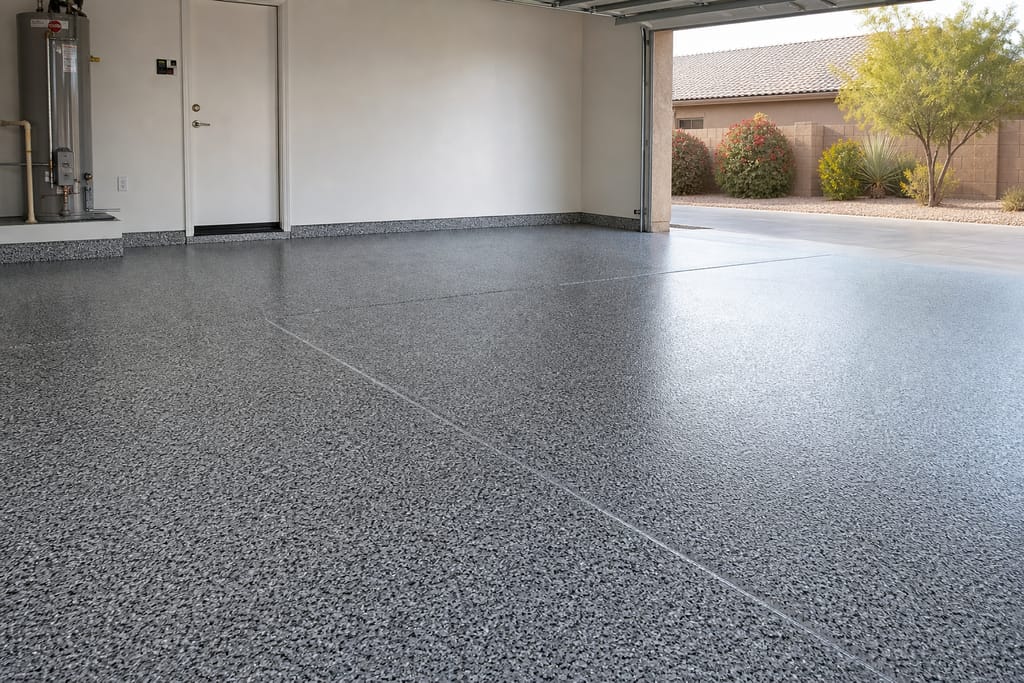
Hybrid Polyurea-Epoxy System
A combined system blends epoxy's rigidity with polyurea's speed for garages that see both heavy loads and summer heat.
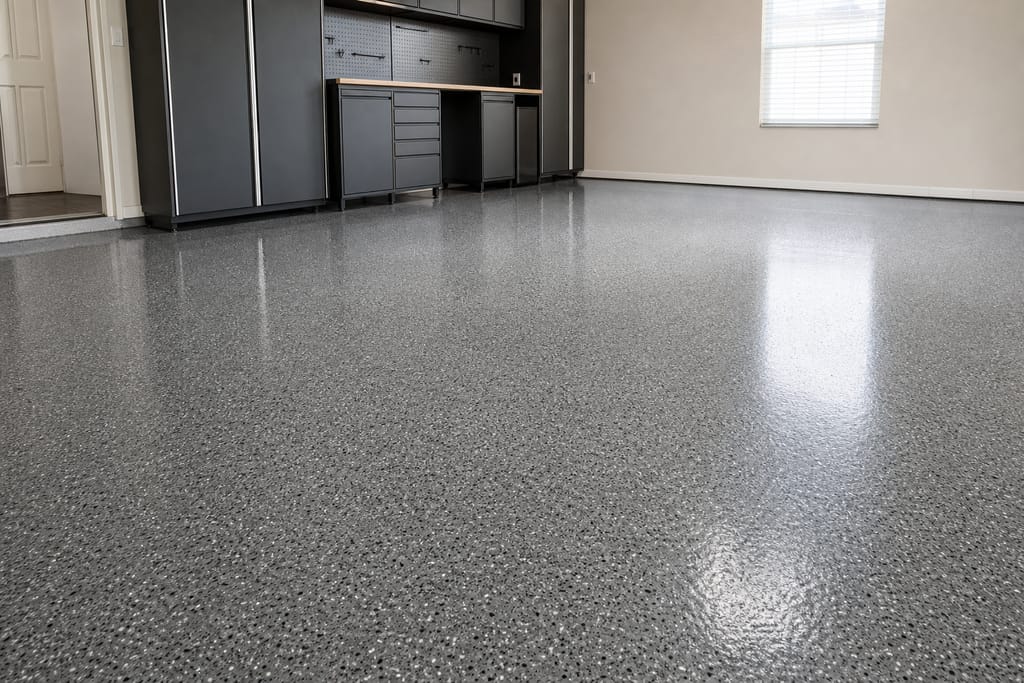
Impact-Resistant Topcoat
A topcoat formulated to withstand dropped tools and heavy equipment impact, useful in workshop garages.
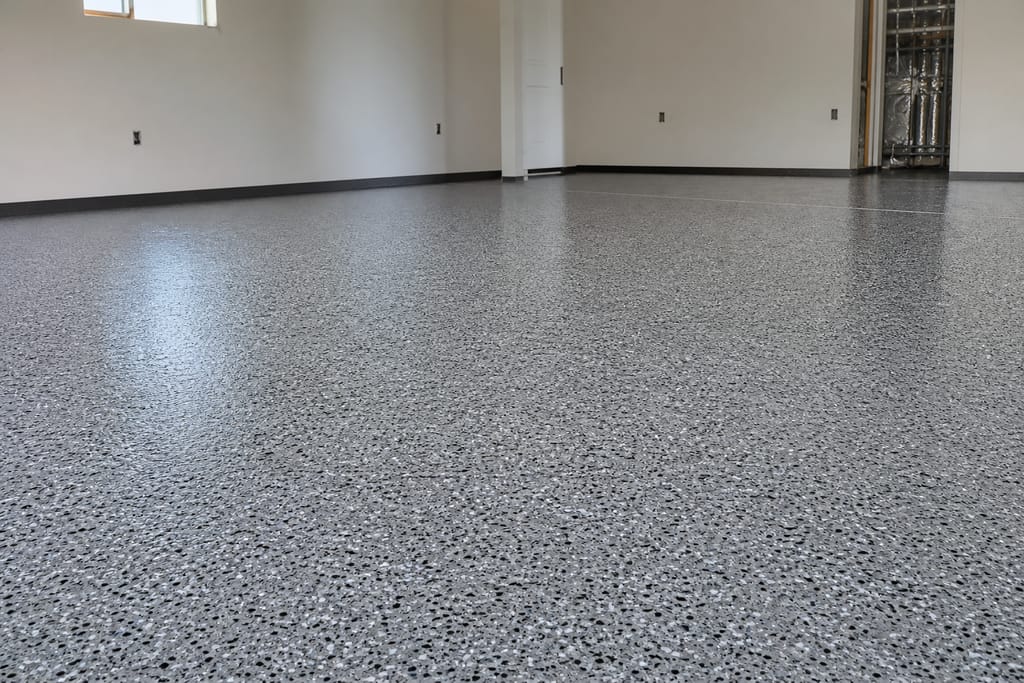
Thermal Shock Resistant Layer
A layer designed to handle the rapid swing from a 150°F slab surface to a cool evening without cracking.
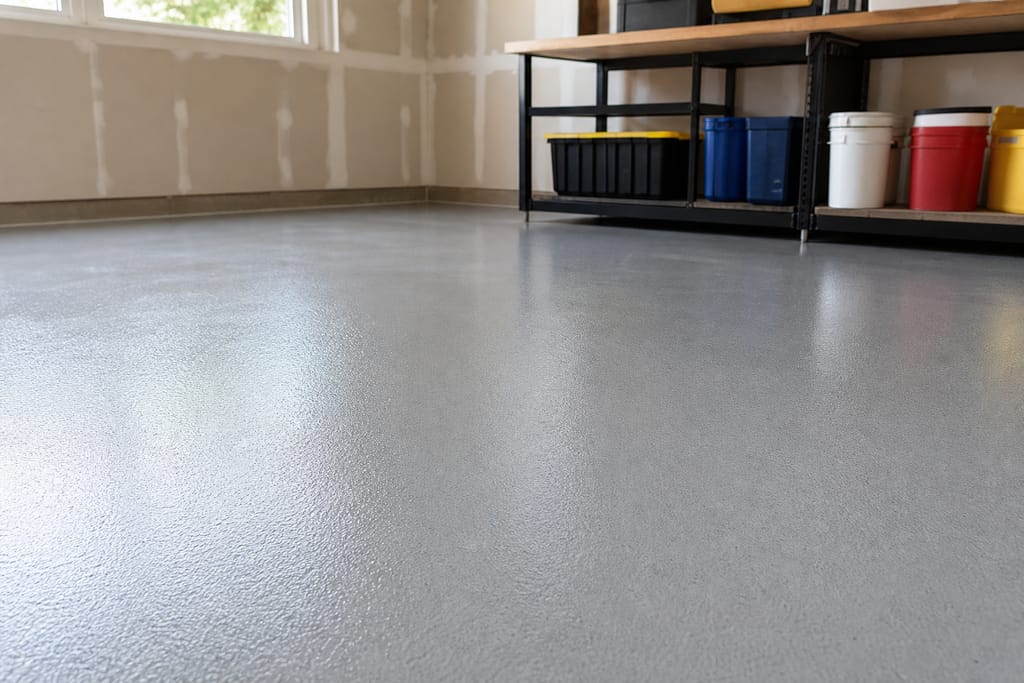
Chemical Barrier Sealant
A sealant resists oil, brake fluid, and pool chemicals tracked in from outdoor living spaces.
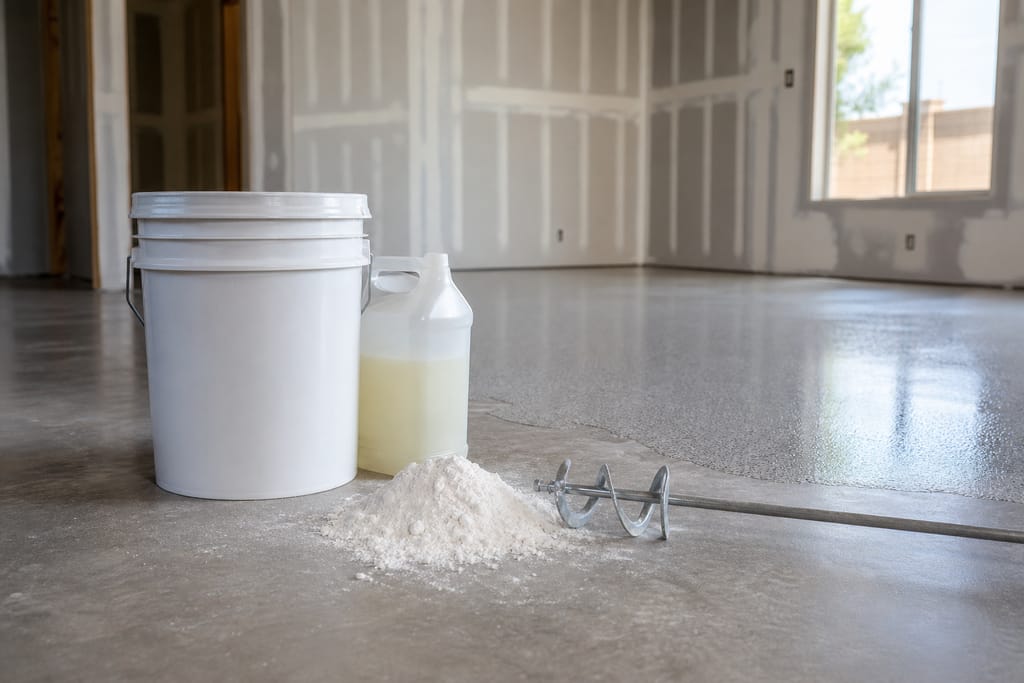
Elastomeric Additive
An additive increases flexibility, helping the coating move with a slab that's already shown hairline cracking.
Questions on materials?
Get a Free EstimateFAQs
Polyurea Floor Coatings FAQs
How is polyurea different from epoxy?
Polyurea cures faster and stays flexible, so it handles slab movement and temperature swings better than a rigid epoxy layer. Epoxy is often more cost-effective for flat, stable slabs with no movement history.
How long before I can use the floor?
Many polyurea systems allow light foot traffic within hours and vehicle traffic within a day, though full cure and chemical resistance build over the following days.
Is polyurea more expensive than epoxy?
Typically. The faster cure and added flexibility come at a higher material cost, which usually pays off on slabs with cracking or movement history.
Can polyurea go over an existing epoxy floor?
Usually not directly. The old coating needs to be ground off first so the new polyurea bonds to raw concrete rather than another coating layer.
Does polyurea work on outdoor patios and pool decks?
Polyurea's UV stability and flexibility make it a solid fit for outdoor slabs that see direct Mesa sun and temperature extremes.
What causes polyurea to fail if it's installed wrong?
Skipping moisture testing or grinding is the usual culprit. Without a clean, properly profiled surface, even a flexible coating can lift.
Next step
Get a Polyurea Floor Coatings Estimate in Mesa
Call (928) 756-6862 or request a free estimate, and Mesa Epoxy Experts will walk the slab and tell you straight whether polyurea or a standard epoxy system makes more sense for your floor.
Before & after
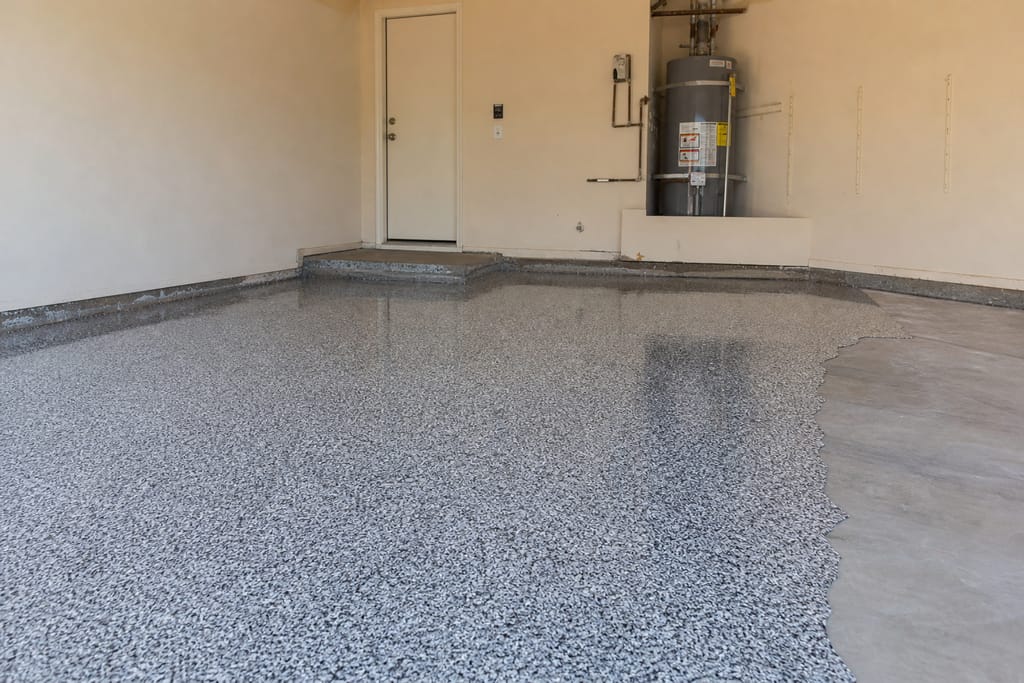
Before and After Polyurea Floor Coatings
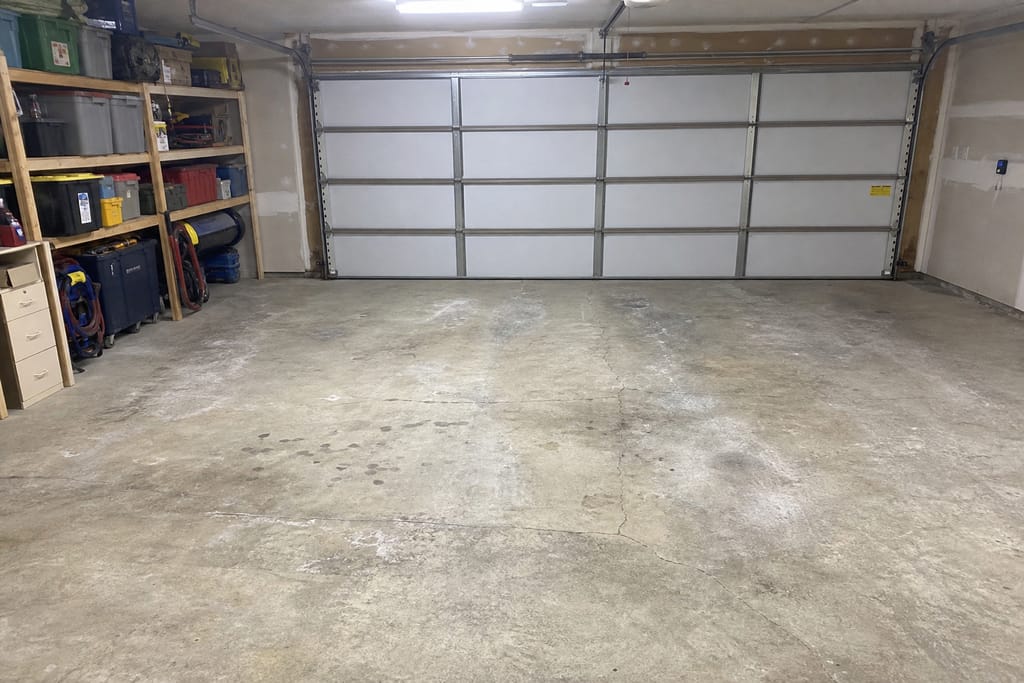
Before 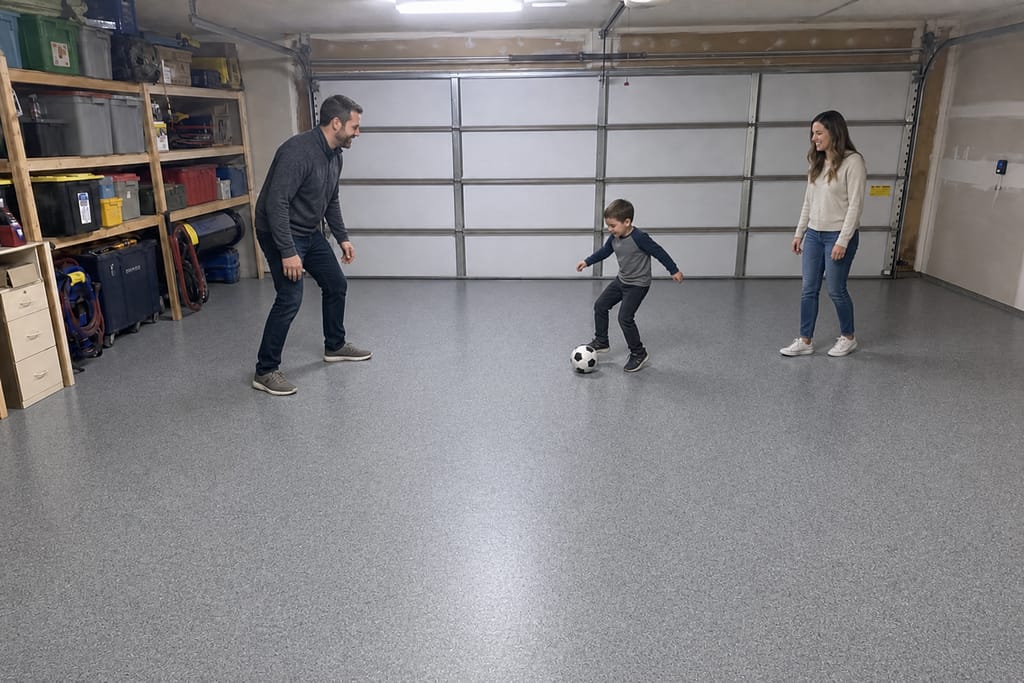
After
Timeline
How Long Does a Polyurea Floor Coatings Take?
- 01
Stage 1
Polyurea jobs move faster than most coating projects because of the quick cure chemistry.
- 02
Site visit and inspection
same day.
- 03
Grinding and crack/joint prep
1 day.
- 04
Base and topcoat application
1 dayspray-applied for even coverage.
Need a schedule that fits?
Get a Free EstimateMore services
Other Epoxy Flooring services
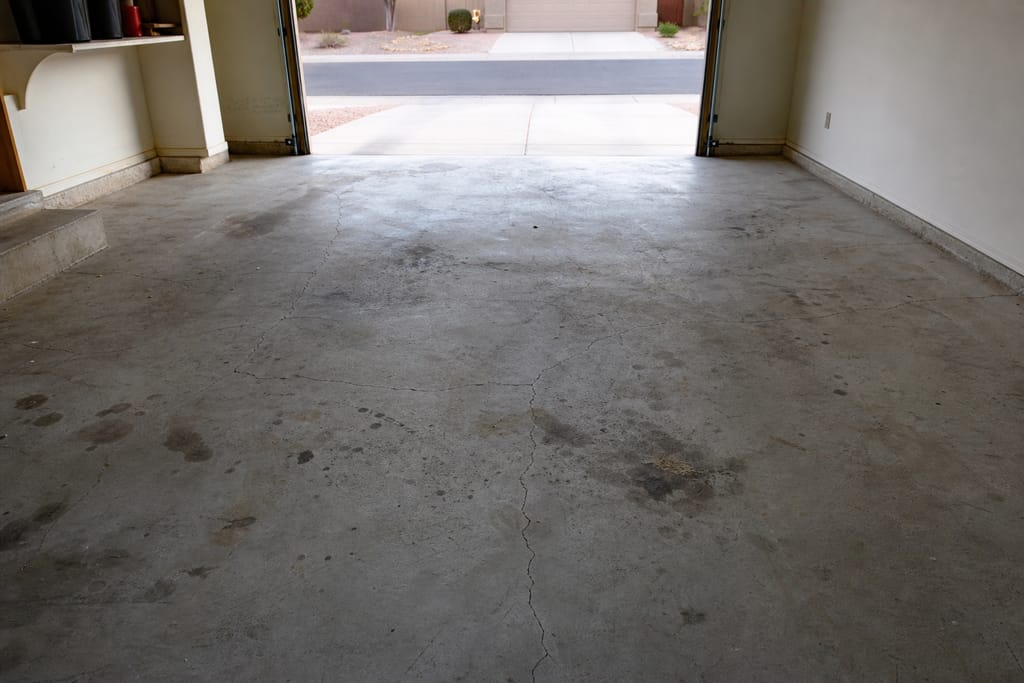
Garage Floor Epoxy Coatings
Heat-rated garage floor epoxy coatings with slab prep and free estimates for daily garage and driveway use in Mesa.
Epoxy Floor Coatings
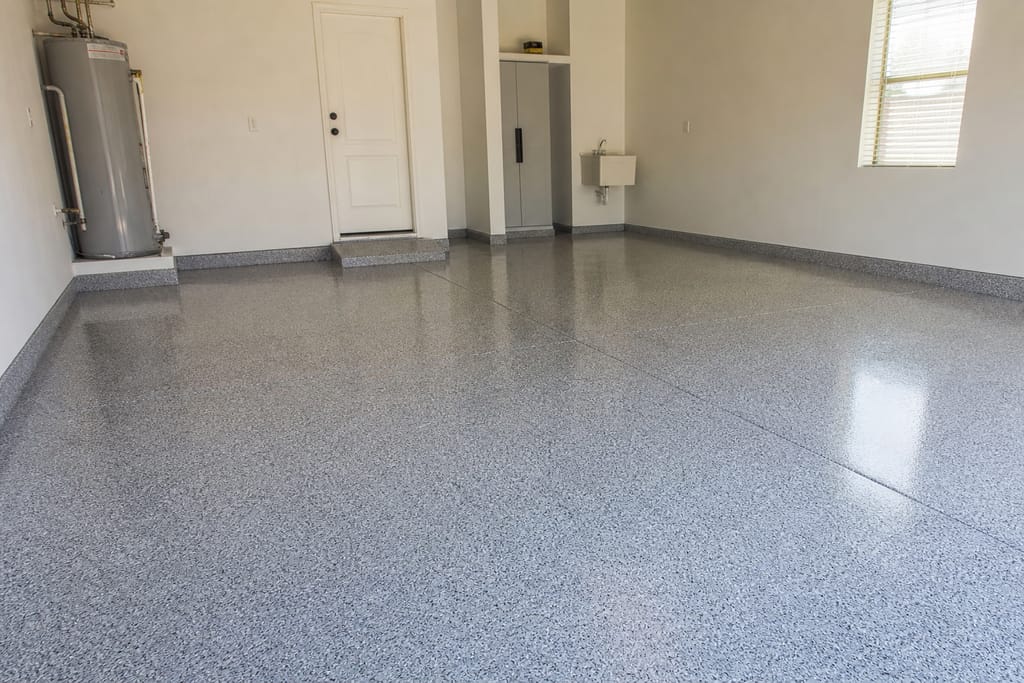
Epoxy floor coatings in Mesa, AZ for interior and utility spaces, with slab prep, moisture testing, and free estimates.
Polyaspartic Floor Coatings
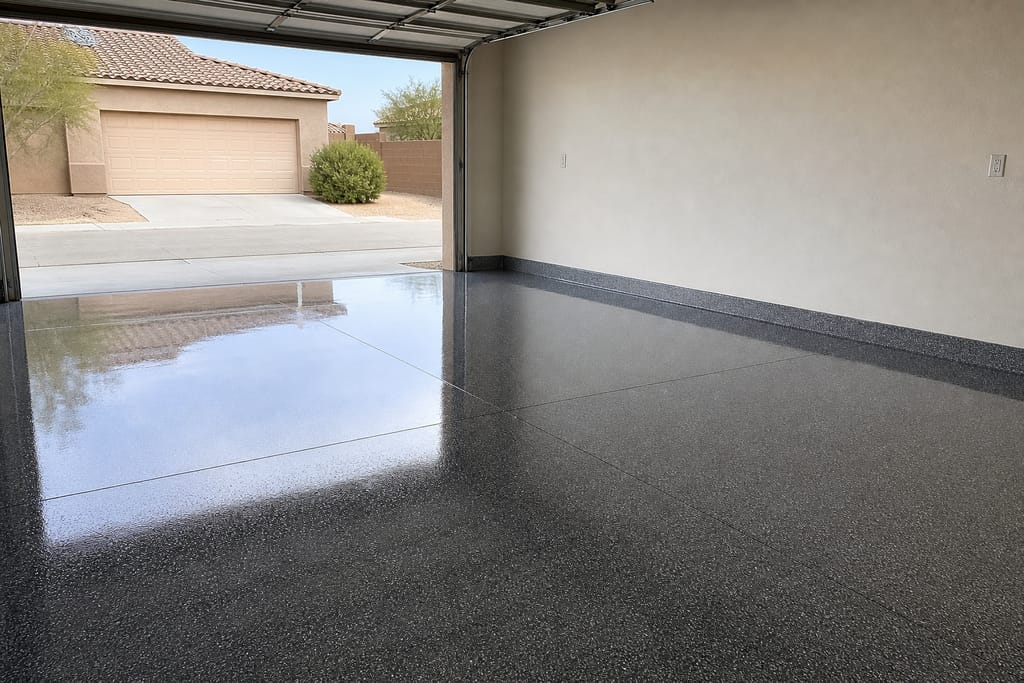
Polyaspartic floor coatings in Mesa, AZ for fast cure and heat resistance, with slab prep and free estimates.
Ask about Polyurea Floor Coatings
Tell us about the project and how to reach you.